Cobblestones and Crumpets: Why I Lost My Heart to the British Market Town
15 July 2026
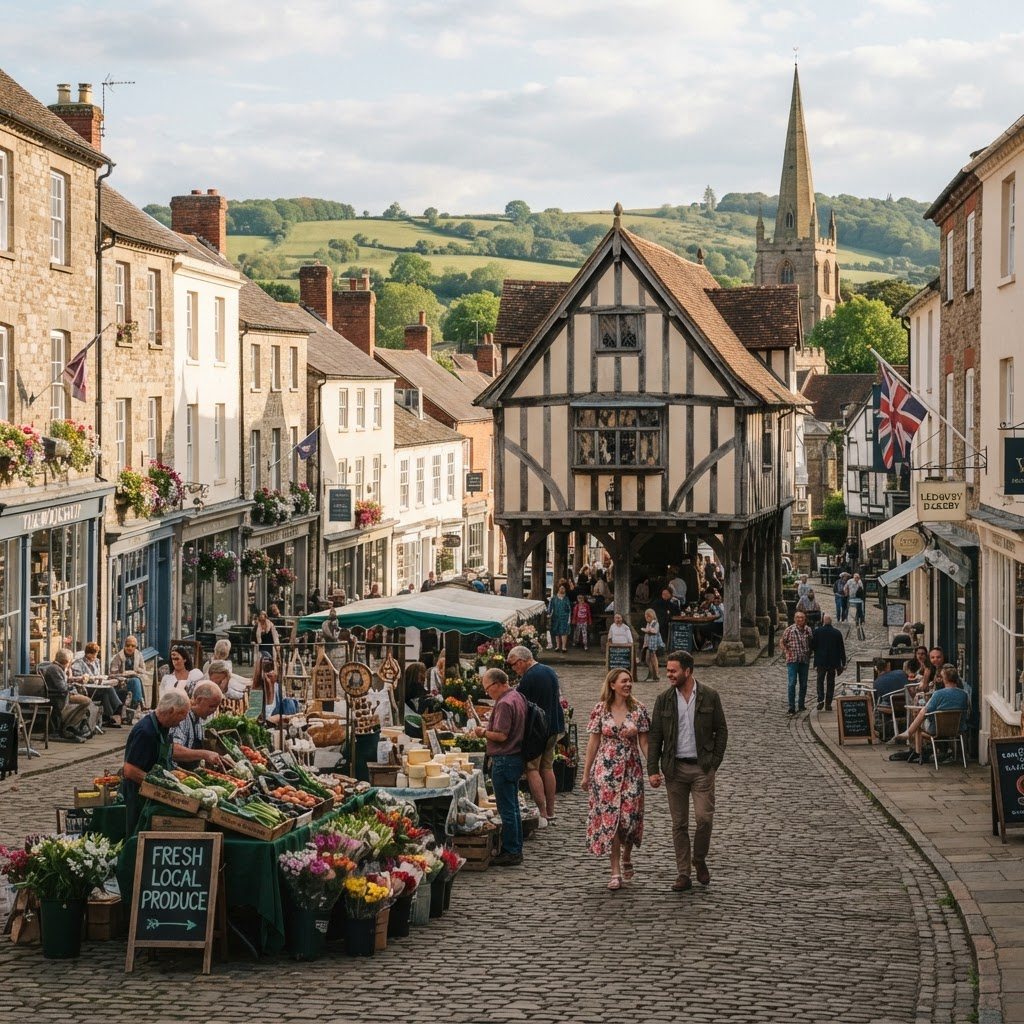
There is a specific kind of magic found in the quiet corners of the English countryside that no city can replicate. Join me as we wander through the charm of life at a slower, tea-filled pace.
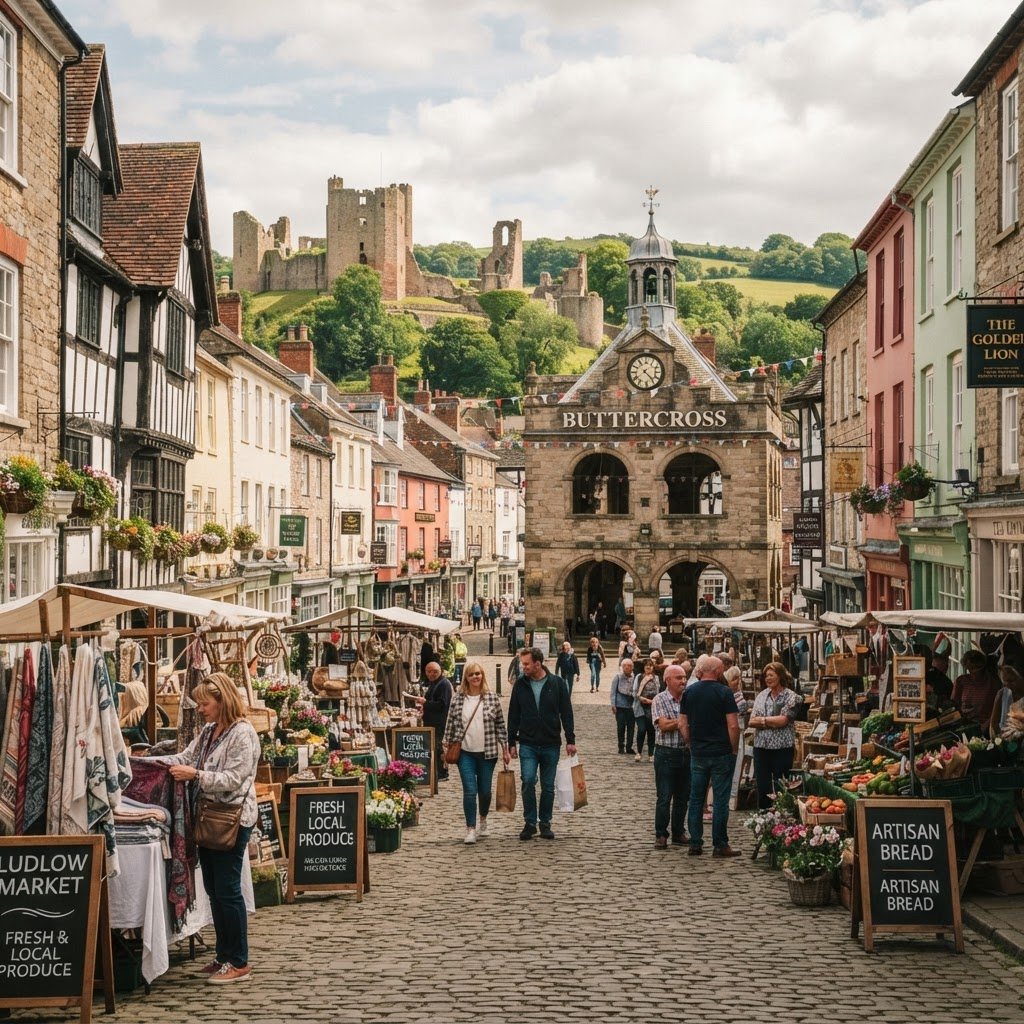
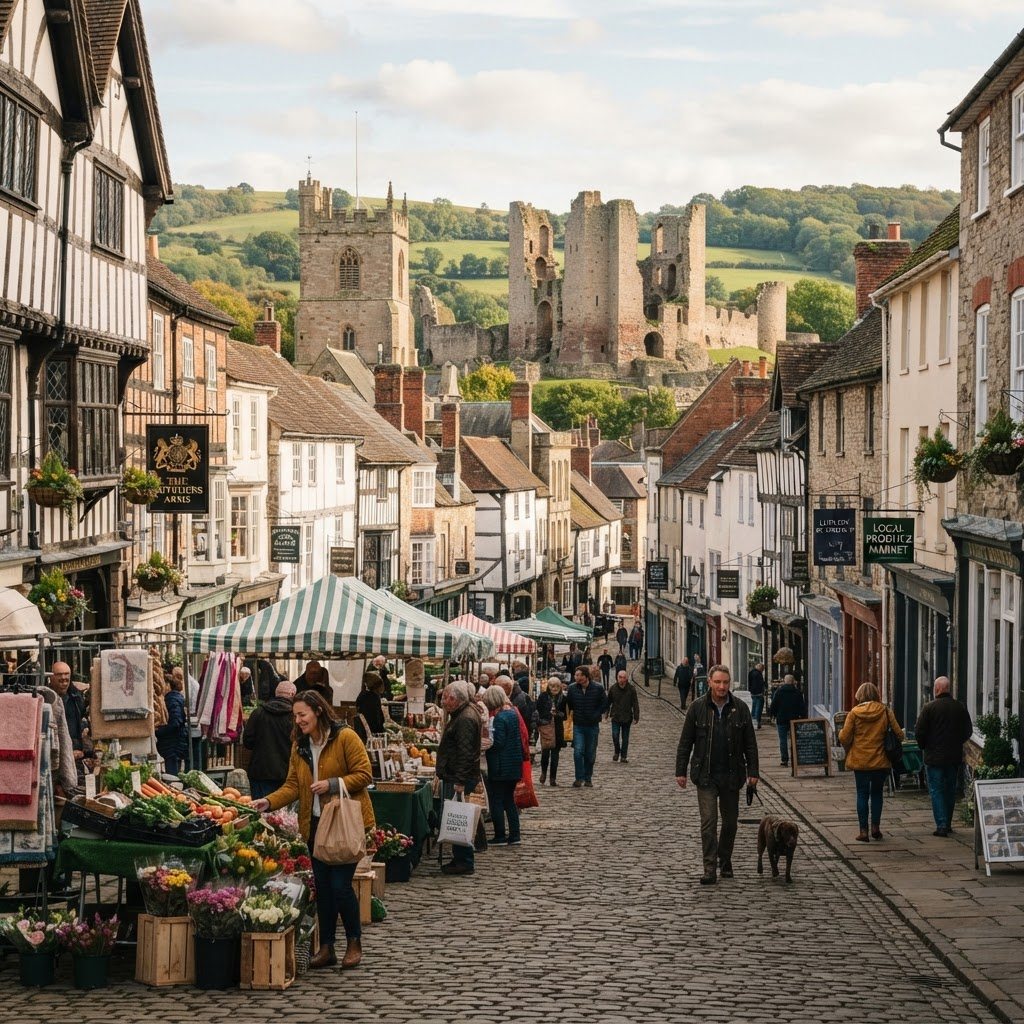
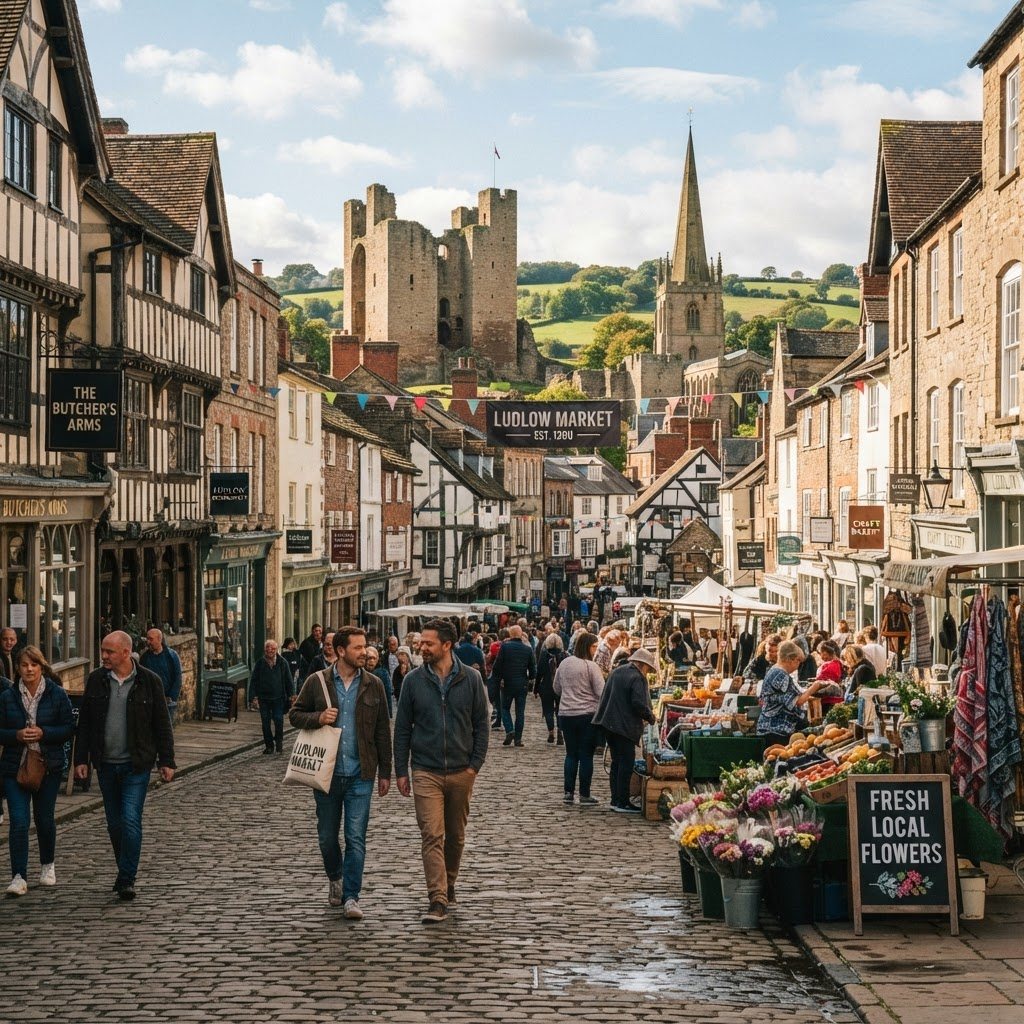
I recently found myself standing in the middle of a bustling square in a sleepy town in the Cotswolds, holding a lukewarm paper bag of freshly baked sausage rolls. It was a Tuesday, the air was crisp with the smell of woodsmoke and damp earth, and for the first time in months, my racing thoughts finally went silent. There is an undeniable charm to a British market town that feels like stepping directly into a favorite childhood storybook. It is not just about the architecture, though the crooked, timber-framed shops leaning into each other are certainly part of the appeal. It is the texture of life here that really gets under your skin. My morning began at the local market, which is the heartbeat of any respectable town. You know you have found a gem when the stallholders know their customers by name and the debate over the best local cheese is treated with the seriousness of a high-stakes court trial. I spent twenty minutes chatting with a florist about why her dahlias were particularly stubborn this year, and I walked away with a bouquet that cost half of what I would pay in London. If you visit, my biggest tip is to ditch the map. The joy of these towns is found in the accidental discoveries. Duck into those narrow, dark-lit alleyways that look like they lead to a dead end; they almost always open up into hidden, walled gardens or a tiny, independent bookstore stacked floor-to-ceiling with vintage classics. I stumbled upon one such shop last week, tucked behind a pub, and found a first-edition gardening journal from the 1950s that I am now convinced is a national treasure. Then there is the tea shop culture, which is practically a religion. Don’t look for the shiny chains. Look for the places where the curtains are lace, the teapots are mismatched, and the scones are served with a mountain of clotted cream that defies all dietary logic. I prefer a corner table near the window where I can watch the town pass by. There is a gentle rhythm to the way people walk here; nobody is sprinting for a train, and the conversations are allowed to linger long after the last drop of Earl Grey has vanished. It feels intimate, even if you are a complete stranger. It is a place where you are encouraged to notice the small things: the way the light hits the local church tower at four in the afternoon, or the sound of the town clock chiming with a slightly erratic, endearing rhythm. For those of us living in the digital haze, these towns serve as a necessary anchor. They remind us that quality of life is not measured by the speed of our internet or the density of our schedules. It is measured by the quality of a conversation with a stranger, the crunch of a crusty loaf of bread, and the comfort of knowing that, somewhere, things are still done the slow, intentional way. So, if you ever find yourself needing a reset, find the smallest train station on your map, buy a ticket to a town with a name that sounds like it belongs in a poem, and just wander. Bring a sturdy pair of walking boots, an empty tote bag for your market finds, and an appetite for a proper cream tea. Trust me, the cobblestones are waiting to tell you their stories.